2026-09-20 · Carlton Hayes
What To Do First After A Basement Flood In Decatur
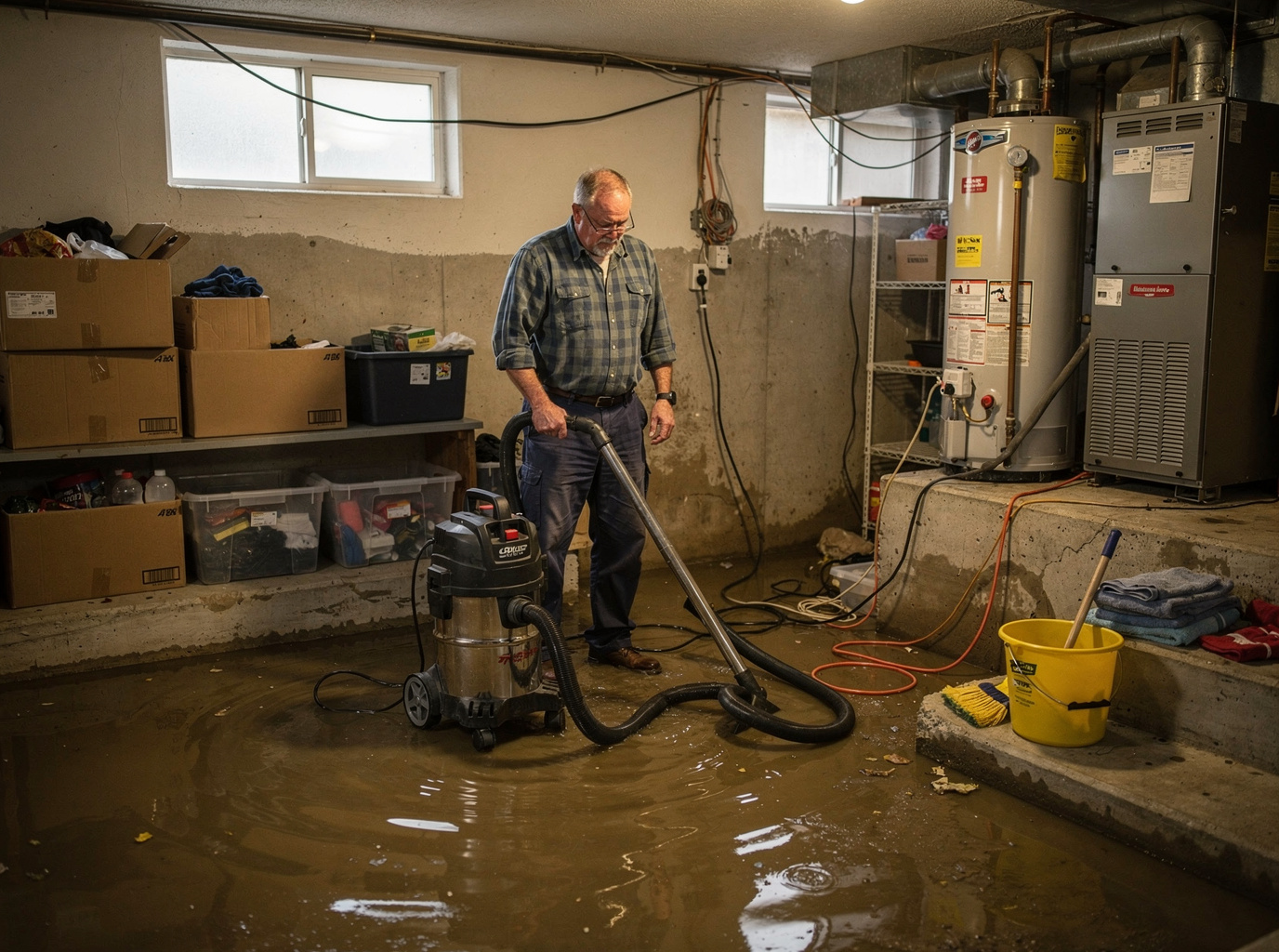
After a basement flood in Decatur the first actions are to secure power to the area, avoid contact with standing water, and locate the source before calling for extraction. Older homes in Old Decatur and Albany often have aging foundations that allow water to enter quickly during heavy rain, while properties near Point Mallard face additional pressure from nearby water tables. Moving quickly limits damage to drywall and flooring that can absorb moisture within hours in Morgan County's climate.
Secure the Area and Assess Immediate Risks
Turn off electricity at the main panel if water reaches outlets or appliances. Avoid entering the space until power is confirmed off to prevent shock. Check for structural concerns such as sagging floors or cracks in foundation walls that appear after water enters. In homes built before 1970 in Albany and Old Decatur, these inspections matter because original basements were not designed with modern waterproofing. Document visible water levels and any items already affected so restoration crews can prioritize extraction routes. Residents in neighborhoods like Beltline or Riverbend should also note if water is entering from exterior grading that slopes toward the house.
Stop the Water Source
Locate the origin whether it is a burst pipe, overflowing appliance, or stormwater intrusion. Shut off the main water valve if the issue is plumbing related. For storm-related flooding, move outdoor items away from foundation vents and check downspouts that may be directing water toward the basement. Homes in Point Mallard and West Decatur often see repeated issues when heavy summer rains overwhelm drainage because the humid subtropical pattern brings intense downpours followed by high humidity that slows natural evaporation. Once the source is controlled, remove any small amounts of water you can handle safely with a wet vac before deeper extraction begins.
Begin Extraction and Protect Belongings
Move furniture, boxes, and irreplaceable items out of the water as soon as power and safety allow. Place them in a dry part of the house or garage. Wet carpet and padding should be pulled back to prevent mold growth that thrives in the mild winters and hot summers common to the region. Extraction equipment removes the bulk of standing water faster than household tools, which is why many Decatur homeowners contact basement water removal teams early. Properties in Austinville and Moulton Heights with finished basements need special attention to wall cavities where water can hide behind drywall.
Account for Local Climate and Drying Needs
Decatur's humid subtropical conditions mean that even after water is gone, moisture lingers in wood, insulation, and concrete for days. High summer humidity slows drying while winter temperatures rarely drop low enough to freeze residual water. This pattern increases the chance of secondary damage in homes near the Cook Museum of Natural History or Princess Theatre where older construction is common. Professional dehumidification and airflow equipment address these conditions more effectively than fans alone. Homeowners can review seasonal preparation steps in Preparing Your Decatur Home For Spring Storm Season Water Intrusion to reduce future incidents.
Know When Professional Extraction Is Required
If water depth exceeds a few inches, covers electrical components, or has entered multiple rooms, contact extraction specialists immediately. Crews bring pumps rated for large volumes and moisture meters that detect hidden saturation in subfloors. For cost ranges and factors that affect pricing in North Alabama, see How Much Does Emergency Water Extraction Cost In North Alabama. Properties in Cedar Lake or Burningtree benefit from crews familiar with local soil conditions that retain water longer after storms. Delaying extraction allows moisture to migrate into adjacent living spaces and raises the risk of mold that requires additional remediation later.